Artigos Científicos Publicados
Dr. Chrystiano Cardoso.
Vertebral Artery Stenosis Caused by Cervical Osteophyte: A
Rare and Reversible Cause of Vertebrobasilar Insufficiency.
Case Report.
Por Dr. Chrystiano Cardoso.
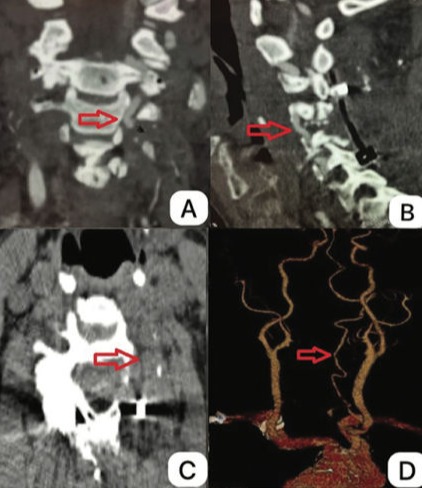
A síndrome de Bow Hunter se manifesta quando a artéria
vertebral é comprimida após a rotação da cabeça. A compressão
sintomática com estenose da artéria vertebral devido a
osteófitos cervicais é uma causa rara e ocorre devido a um
processo degenerativo progressivo. Geralmente, a compressão se
origina anteromedialmente do processo uncinado e é assintomática
devido à competência da artéria vertebral contralateral.
No
paciente descrito, a compressão se apresentou superomedialmente
devido a osteófitos na faceta articular superior da vértebra C5,
e a artéria vertebral contralateral estava obstruída. Uma
avaliação cuidadosa com imagens, principalmente angiotomografia
3D pré-operatória, é necessária para determinar a abordagem mais
benéfica para a descompressão. O tratamento de escolha para
compressão sintomática induzida por espondilose cervical é a
cirurgia de descompressão.
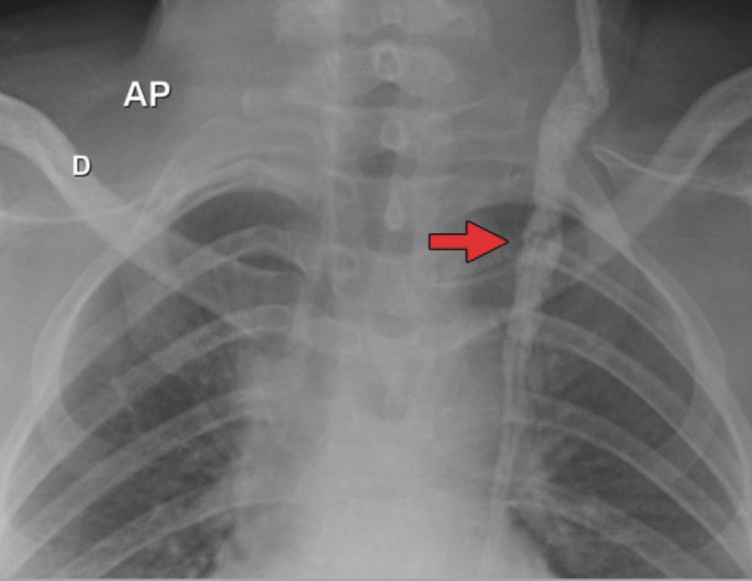
FRACTURE OF A VEN- TRICULOPERITONEAL CATHETER CAUSING
INTRACRANIAL HYPER- TENSION
Por Dr. Chrystiano Fonseca Cardoso.
Hydrocephalus is a disorder characterized by the excessive
accumulation of cerebrospinal fluid (CSF) in the brain’s
ventricles and/or suba- rachnoid spaces, leading to ventricular
dilation and increased intracranial pressure (ICP) (1).
Ventriculoperitoneal (VP) shunts have long been the standard
treatment for hydrocephalus (2). Immediate evaluation for
potential shunt malfunction should be performed in patients who
develop new or aggravated signs of incre- ased ICP, such as
headache, vomiting, lethargy, papilledema, and irritability (3,
4).
Case Report: A 43-year-old female patient, with a
history of VP shunt placement since childhood due to obstructive
hydrocephalus, presented with headache, blurred vision,
vomiting, and papil- ledema. The chest X-ray revealed a fracture
of the VP catheter between the second and third left rib arches.
The patient underwent a new VP shunt placement on the right
side, with immediate improvement in ICP symptoms and reduction
of thoracic bulging.
MATURE INTRACRANIAL TERATOMA: CASE REPORT
Por Dr. Chrystiano Fonseca Cardoso.
Intracranial terato- mas are rare germ cell tumors,
accounting for approximately 0.5% of all intracranial tumors.
They can be classified as mature, immature, or malignant, and
are typically located along the midline of the brain,
particularly around the third ventricle, pineal region, and
suprasellar area.
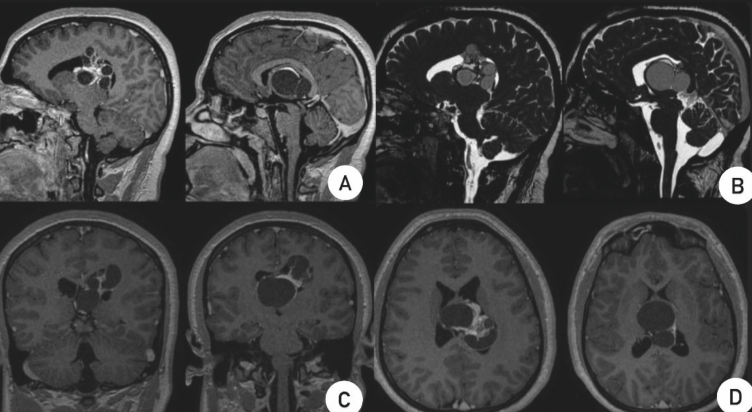
Case Report: A 20-year-old female
pa- tient presented with a history of seizures, hea- dache,
nausea, vomiting, and diplopia. A cra- nial MRI revealed a
multicystic lesion in the left lateral ventricle with
ventricular dilation. Surgery was performed with an interhemis-
pheric approach and partial resection of the lesion, confirming
the diagnosis of a mature teratoma. The patient had a favorable
recovery with no neurological deficits.
Prevention of Neurological Damage in Severe Cervical
Stenosis: The Role of Intraoperative Monitoring and Proactive
Measures.
Por Dr. Chrystiano Fonseca Cardoso.
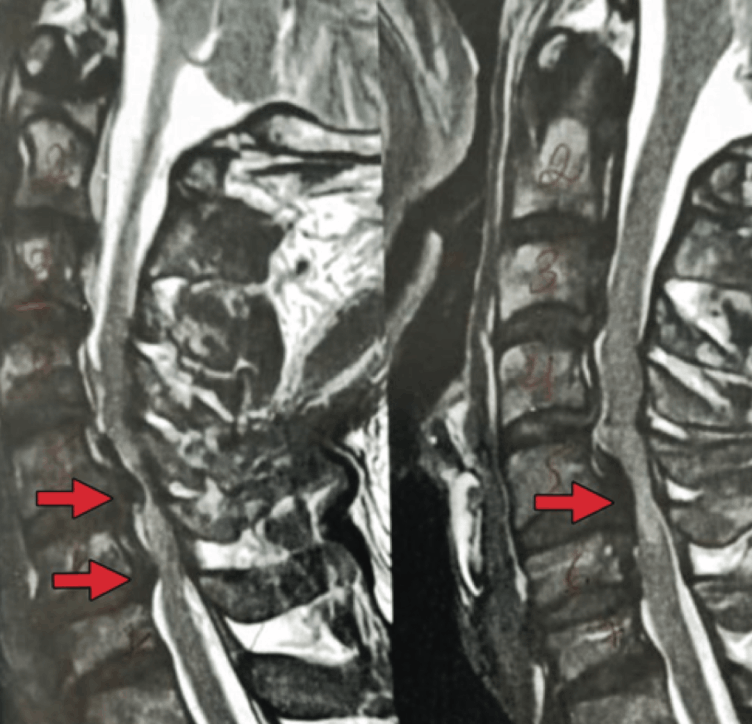
Cervical stenosis is a degenerative condition that causes
compression of the spinal cord and nerve roots, resulting in
neurological symptoms such as pain, weakness, and loss of motor
and sensory function. Surgical treatment, such as spinal
decompression, is indicated for severe cases, as untreated
compression may lead to irreversible damage.
Intraoperative
neurophysiological monitoring (IONM) has proven essential for
patient safety, allowing early detection of neurological changes
and enabling immediate intervention. This article discusses the
importance of IONM in severe cervical stenosis surgeries,
highlighting preventive measures to minimize neurological
damage. We report the case of a 57-year- old patient with severe
cervical stenosis associated with myelopathy.
Retrospective Analysis of 52 Cases of Scoliosis Surgery in
the Central-West Region of Brazil.
Por Dr. Chrystiano Fonseca Cardoso.
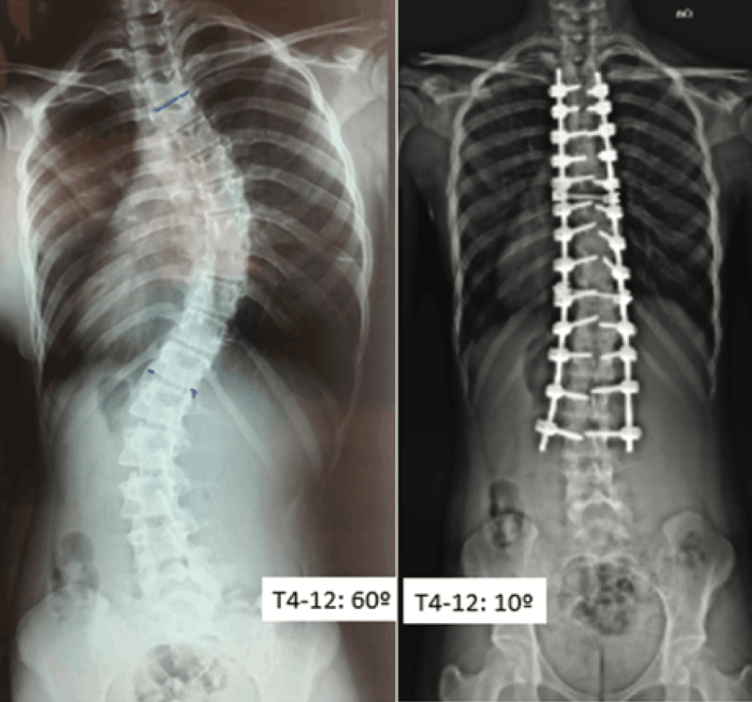
This retrospective study analyzed 52 patients who
underwent scoliosis surgery between 2014 and 2023 in private
hospitals in the Central-West region of Brazil. The objective
was to evaluate the degree of curvature correction, using the
Cobb method, and postoperative complications. The sample was
predominantly female (86.6%), with a mean age of 16 years. The
majority of patients (92.3%) were diagnosed with idiopathic
scoliosis (IS), with 57.7% presenting thoracic curves and 34.6%
presenting lumbar curves, according to the Lenke
classification.
The average preoperative Cobb angle
was 55°, with a postoperative average correction of 74%,
reflecting the effectiveness of spinal arthrodesis techniques
with pedicle screws.
Intracranial Meningeal Hemangiopericytoma: Case Report and
Literature Review.
Por Dr. Chrystiano Fonseca Cardoso.
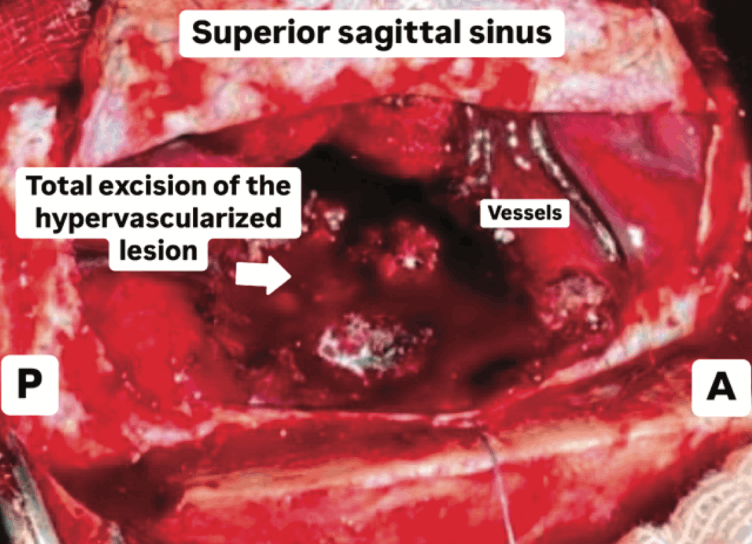
Hemangiopericytoma (HPC) is a rare mesenchymal neoplasm
originating from pericytes of venules and capillaries, typically
observed in extracranial areas. When located in the meninges, it
forms a solid tumor that adheres to the dura mater, often being
confused with meningiomas. Intracranial HPC accounts for
approximately 0.4% of all brain tumors [1,2]. Depending on
biological behavior and histopathological grade, HPCs can be
classified into three types: Type I (benign, solitary fibrous),
Type II (atypical), and Type III (malignant, highly mitotic, and
aggressive). Malignant HPCs have a high recurrence rate and the
potential for metastases, making the management of these tumors
challenging and frequently complex [3-5].
The
differential diagnosis between HPC and meningioma is often
difficult, as both tumor types share similar clinical and
radiological characteristics.
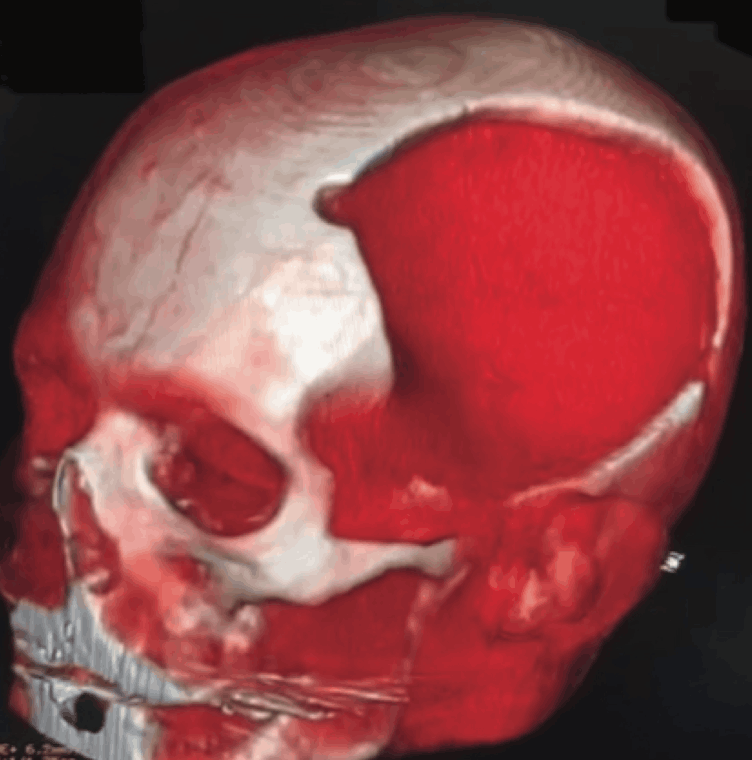
Cranioplasty For Treatment of Syndrome of The Trephined: Case
Report And Literature Review.
Por Dr. Chrystiano Fonseca Cardoso.
Syndrome of the Trephined (ST) is a neurological
complication observed after decompressive craniectomies,
characterized by progressive neurological deterioration
associated with the removal of a significant portion of the
skull. ST is commonly seen in patients with severe traumatic
brain injury, stroke, or other conditions that cause
intracranial hypertension. Although rare, its clinical relevance
is significant due to its impact on patient recovery.
The
incidence of ST varies depending on the clinical context and
region, with risk factors such as hemorrhagic injuries and brain
displacement. In Brazil, the prevalence of the syndrome is
underreported, partly due to the lack of large-scale studies,
but its incidence has been increasing as decompressive
craniectomies are more commonly performed in patients with
severe intracranial hypertension.
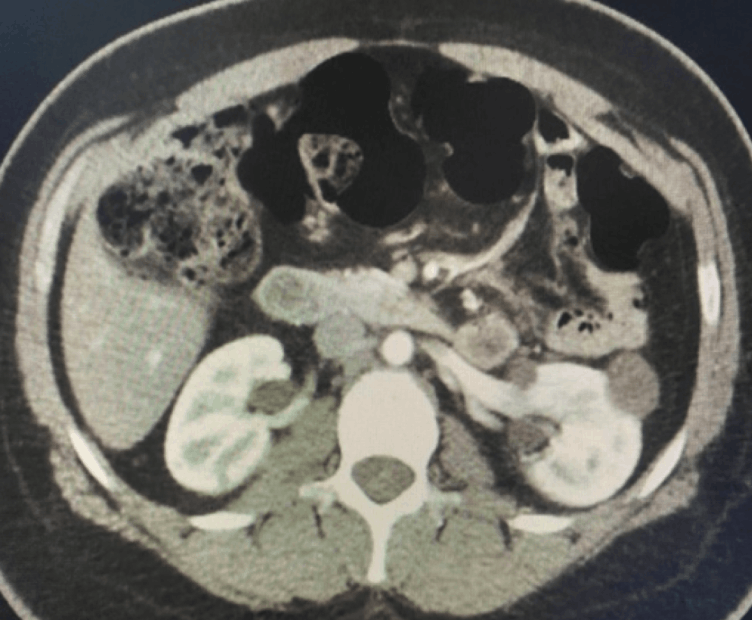
Cerebellar Hemangioblastoma in A Patient With Von
Hippel-Lindau Syndrome.
Por Dr. Chrystiano Fonseca Cardoso.
Von Hippel-Lindau syndrome (VHL) is a rare, autosomal
dominant genetic disorder with a prevalence of 1 in 36,000. It
is characterized by cysts and/or benign tumors in multiple
organs with potential for malignant transformation. The main
findings are: hemangioblastomas located in the retina and
central nervous system (CNS), cysts or solid tumors in various
sites (pancreas, liver, kidneys, lymphatic tissue), and
pheochromocytoma [1-2].
Diagnosis is made in the
presence of some of the classic tumors in individuals with a
family history or in the presence of two tumors in those without
a family history. Treatment and prognosis vary depending on the
alterations presented [3-4].
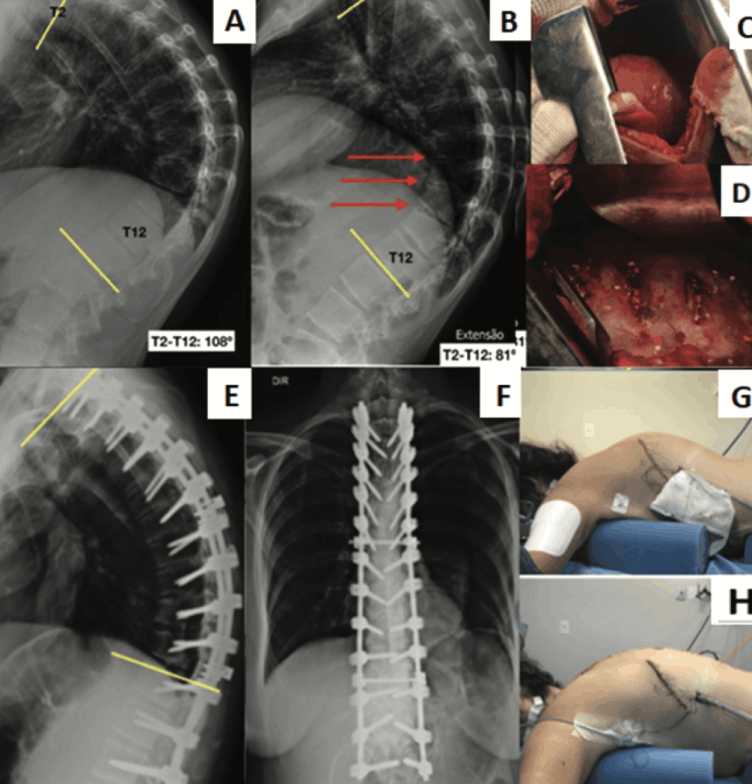
Scheuermann's Kyphosis: Case Series and Literature
Review.
Por Dr. Chrystiano Fonseca Cardoso.
Scheuermann's Kyphosis (SK) is a spinal deformity
characterized by abnormal curvature in the thoracic region, with
vertebral bodies having a wedge-shaped appearance, with the
posterior portion being taller than the anterior part. This
condition may result in chronic pain, aesthetic changes, and, in
severe cases, significant functional restrictions. Early
diagnosis and appropriate treatment are crucial to prevent the
progression of deformity and minimize long-term complications
[1,2].
The prevalence of SK in the general population
is estimated to be between 0.4%
and8%,mostcommonlyaffectingadolescents during growth. Although
the exact cause of the disease is unknown, genetic and
biomechanical factors are believed to play an important role in
its development [3,4]. The therapeutic approach is varied and
depends on the severity of the deformity, the patient's age, and
the symptoms presented [2,5].